


Articles
Structures, Title & Asset Classes
What does the holder of a tokenized asset actually own?
Whatever the documents create. In a typical real estate structure, the holder owns an interest in a vehicle that holds the title, or a contract right against an issuer, while title to the land is decided by the land registration law. Whether the holder owns anything enforceable turns on whether the chain from register to vehicle to token is complete.

Coverage
What do these articles cover?
Each article answers that question for one structure or asset class, from real estate and funds to receivables, securitisation waterfalls, equity, and pledged digital assets, from the primary texts, with the date its position is stated as of. The articles are analysis of public sources, not legal, tax, accounting, or investment advice.
Articles
Articles, newest first
 Structures, Title & Asset Classes · 7 min read
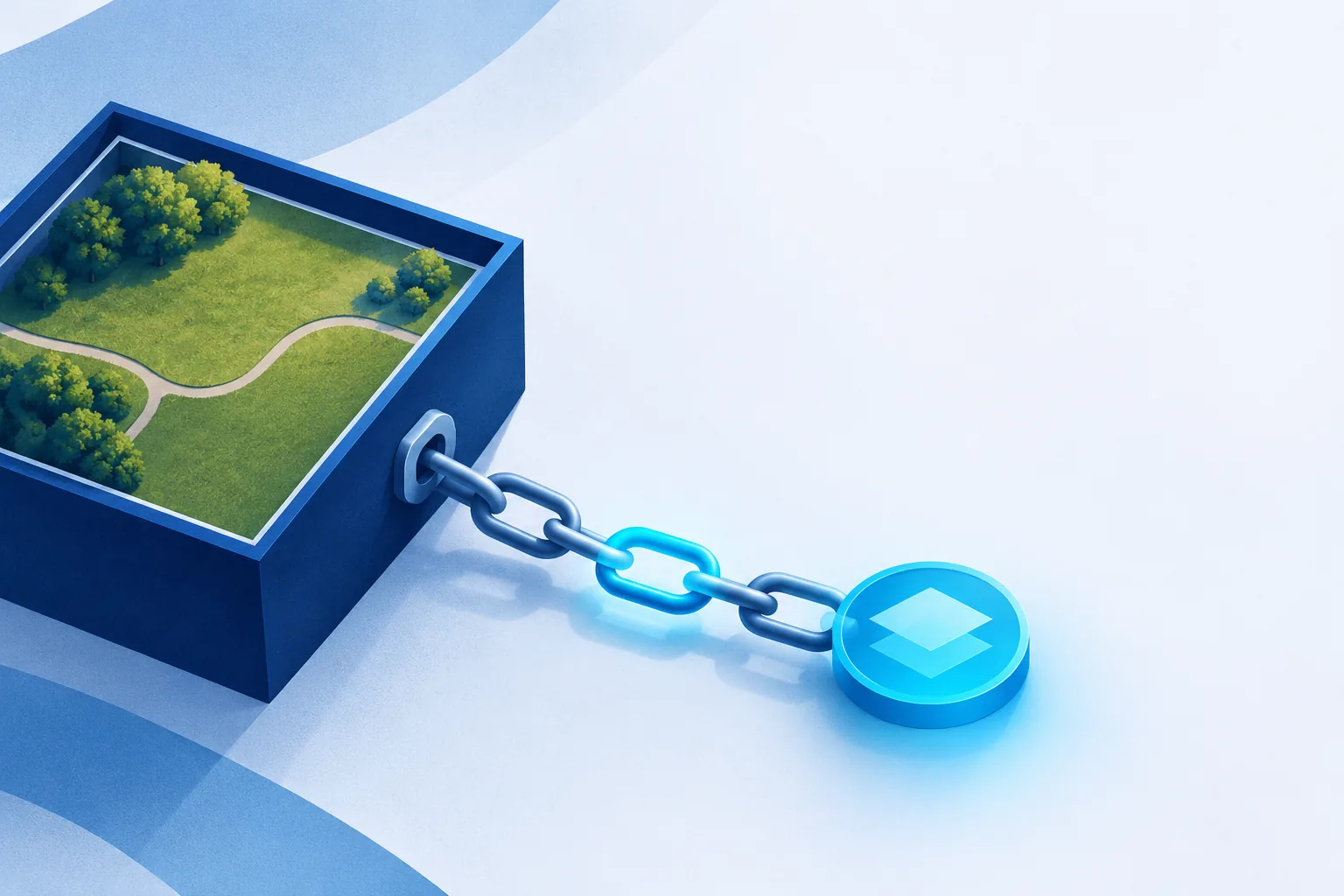
Real Estate Tokenization Legal Structure: The Token Is Not the Title
A real estate token is rarely title to land. The holder owns a vehicle interest or a contract right, and the land register decides ownership.
 Structures, Title & Asset Classes · 7 min read
Bankruptcy Remote SPV Tokenization: What the Vehicle Must Still Do Off-Chain
Code cannot make a vehicle bankruptcy remote. A special purpose vehicle gets there off-chain, through a true sale, its documents, and a separate existence.
 Structures, Title & Asset Classes · 6 min read
Tokenized Fund Structure: The Vehicle, the Units, & the Register
A tokenized fund is an ordinary fund with its register of units on a ledger. Which record is the official register decides the holder's position.
 Structures, Title & Asset Classes · 7 min read
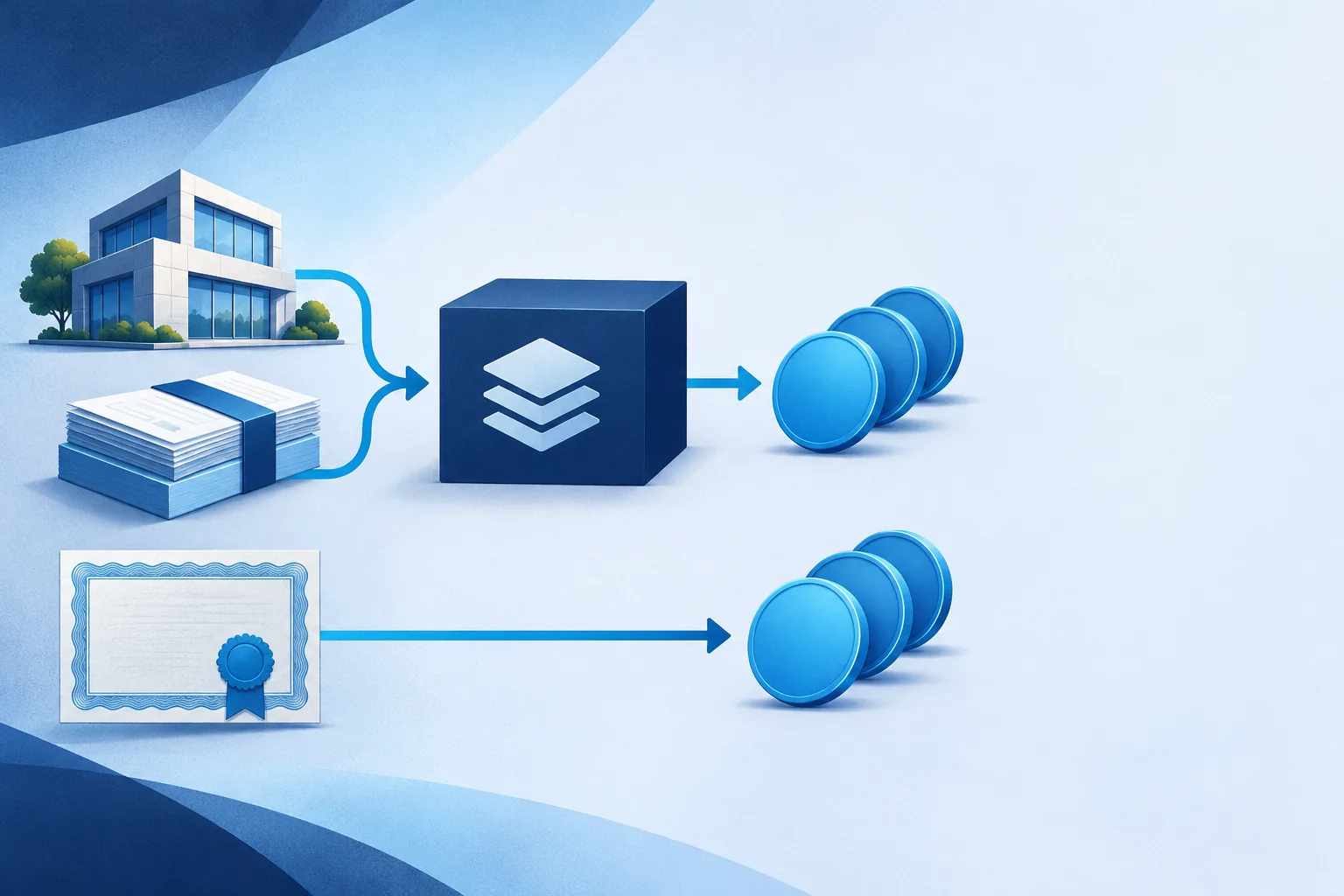
SPV for Tokenization: When a Special Purpose Vehicle Is Needed
Tokenizing an asset usually needs a special purpose vehicle, because a building cannot issue anything. An issuer tokenizing its own securities may not.
 Structures, Title & Asset Classes · 7 min read
What Makes a Receivables Book Tokenizable
A receivables book is tokenizable once four things are settled: a true sale to a vehicle, eligibility rules, concentration limits, and competent collection.
 Structures, Title & Asset Classes · 7 min read
Feeder Funds On-Chain: Eligibility Enforced at Every Transfer
A tokenized feeder fund tests eligibility at every transfer, because its rules test holders at each acquisition. Investor status is still verified off-chain.
 Structures, Title & Asset Classes · 6 min read
The Waterfall in Contract Logic
A securitisation waterfall's arithmetic suits code, but the documents set the order, and someone accountable must reconcile what the code paid.
 Structures, Title & Asset Classes · 6 min read
Tokenized Equity Securities: A Path to a Listing Without Promising One
A tokenized share or pre-listing instrument can prepare a company for a listing by putting its register in order early, but cannot promise one.
 Structures, Title & Asset Classes · 7 min read
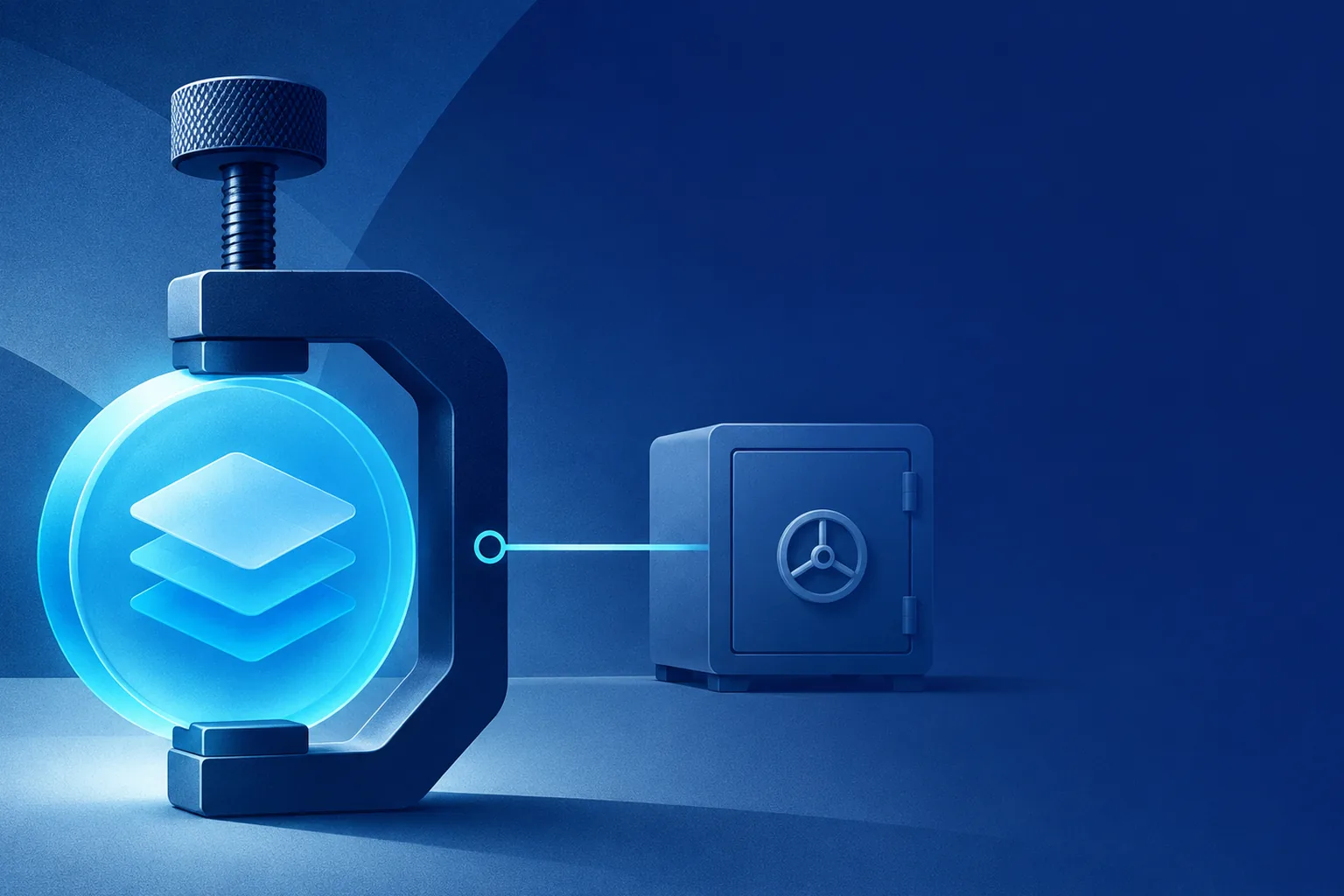
Perfecting a Security Interest in Digital Assets: Pledging a Tokenized Asset
Perfecting a security interest in a token follows the rules for what it legally is; under the Uniform Commercial Code, control has priority over filing.
 Structures, Title & Asset Classes · 7 min read
Tokenized Fund Offering Memorandum Disclosure: What the Document Must Still Say
A tokenized fund's offering memorandum must still say everything fund rules require. A crypto-asset white paper does not replace it.
Common questions
What else do people ask?
Short answers from these articles on tokenized funds, bankruptcy remoteness, when a special purpose vehicle is needed, and whether a token can be a title deed.
Is a tokenized fund a different kind of fund?
No. It is a fund of whatever legal form it already has, regulated under whatever regime already applies to it. The vehicle, the units' rights, and the rules for dealing stay in the fund's constitution and offering documents.
Can code make a vehicle bankruptcy remote?
No. Bankruptcy remoteness is a set of legal outcomes decided by a court under bankruptcy law, not a property of a ledger. The vehicle reaches it off-chain: a true sale of the assets into it, documents that limit who can put it into bankruptcy, and a separate existence that a court will respect.
When does tokenization need a special purpose vehicle?
Usually when the thing being tokenized is an asset rather than a security, because a building or a loan book cannot issue anything. An issuer that tokenizes its own shares, bonds, or fund units is already the owner that gives investors rights.
Can a token itself be the title deed to a property?
Only where the land registration law makes the token, or the ledger it sits on, the record of title. In the three systems the article reads, title is recorded by the state registry, or by a deed recorded in the county records, and a token held elsewhere does not replace that record.
Where next
Where should you go next?
The pages below pick up where this one ends. Start with the one closest to where your asset or programme stands today.
- StructuringThe six instrument classes DAMREV structures, from tokenized listings and funds to debt and real world assets, each run through one fixed sequence.
- Token Classes We IssueHow security, utility, payment, and asset-backed tokens differ, why the issuer and its counsel decide a token's class, and what DAMREV encodes.
- The Structuring ReviewWhether your asset, claim, and structure are ready to encode. A named person reviews your answers to nine questions.
- ArticlesClose readings of the rules and markets that shape tokenized structured finance, each article dated, from public sources, with every figure cited.
Last updated:




